
Getting a timber fence to last in Canterbury weather
2026-07-29 · Port Hills Fencing
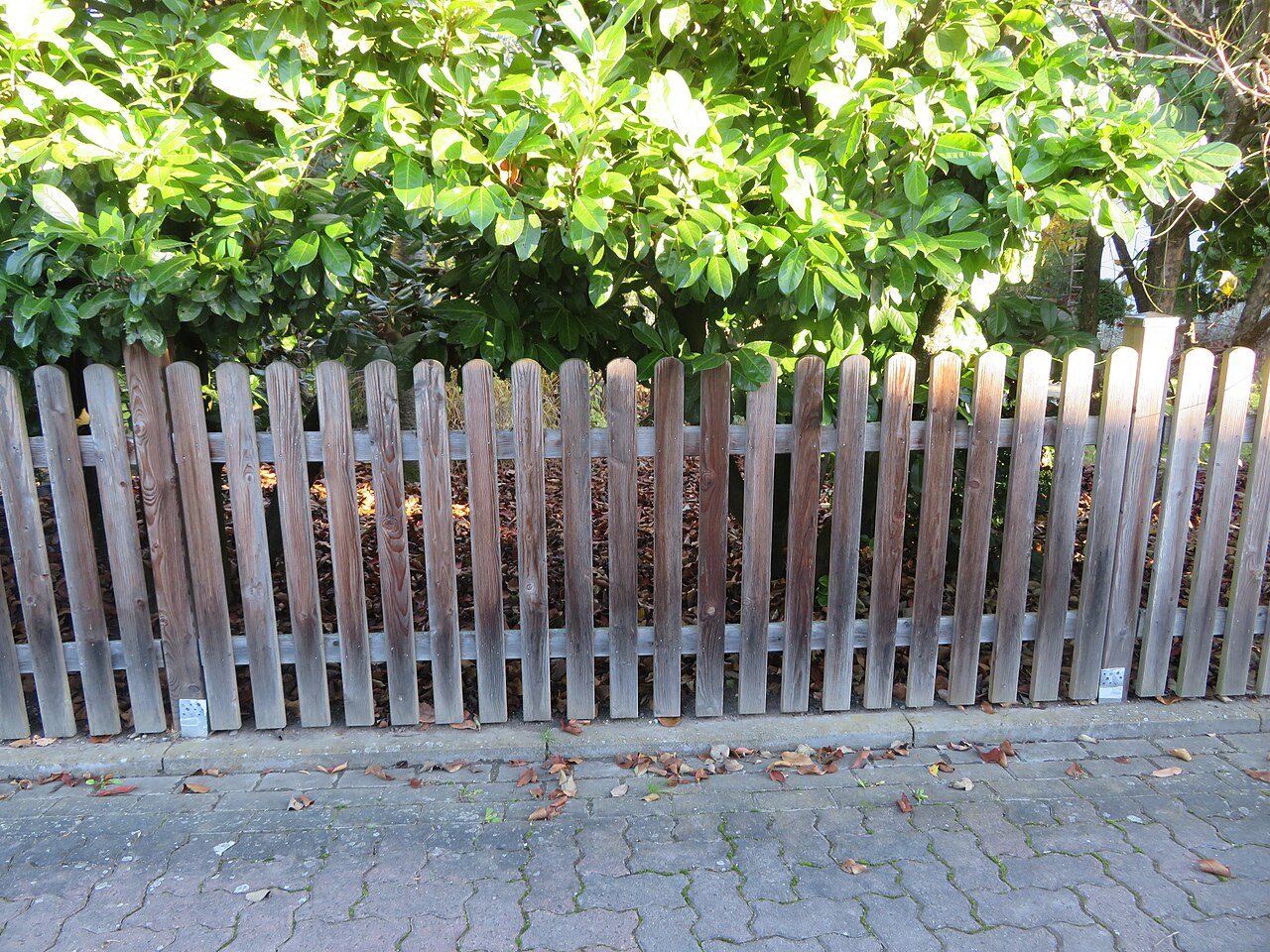
Canterbury is harder on timber than it looks. Hot dry nor'westers suck moisture out of boards, winter frosts hold them damp for weeks, and sea air carries salt well inland. A timber fence that lasts here is designed for all three, not just put up straight on day one.
It starts below ground. Treated posts rated for ground contact are non-negotiable — anything less rots at the soil line within a few years. Concrete around the post should finish above ground level and slope away so water sheds off, not in. On the Port Hills, posts go deeper than on the flat: wind loads are higher and hill soils move.
Above ground, airflow is your friend. Palings that sit hard on soil wick moisture straight up the end grain, which is why a small gap at the bottom pays for itself many times over. Keep garden beds, mulch and lawn clippings off the base of the fence, and make sure downpipes and stormwater do not discharge along the line.
Stain or oil is the maintenance that matters most. Bare timber silvers, checks and splits as it cycles between wet winters and dry nor'westers; a quality stain every few years slows all of it. Coat all faces before fixing where you can — especially end grain — and re-coat when water stops beading rather than on a fixed calendar.
Fixings are the quiet failure point. Bright steel nails rust, bleed and loosen; galvanised or stainless fixings hold and stay clean. Near the estuary and the coast this matters doubly — salt air finds every unprotected screw within a couple of seasons.
Finally, inspect a little and often. A ten-minute walk of the line each autumn — sight along the posts, tug the rails, swing every gate, check every latch — catches nearly every problem while it is still a small job. Fences rarely fail suddenly; they fail gradually, then all at once.