
Fencing a windy Port Hills section
2026-07-02 · Port Hills Fencing
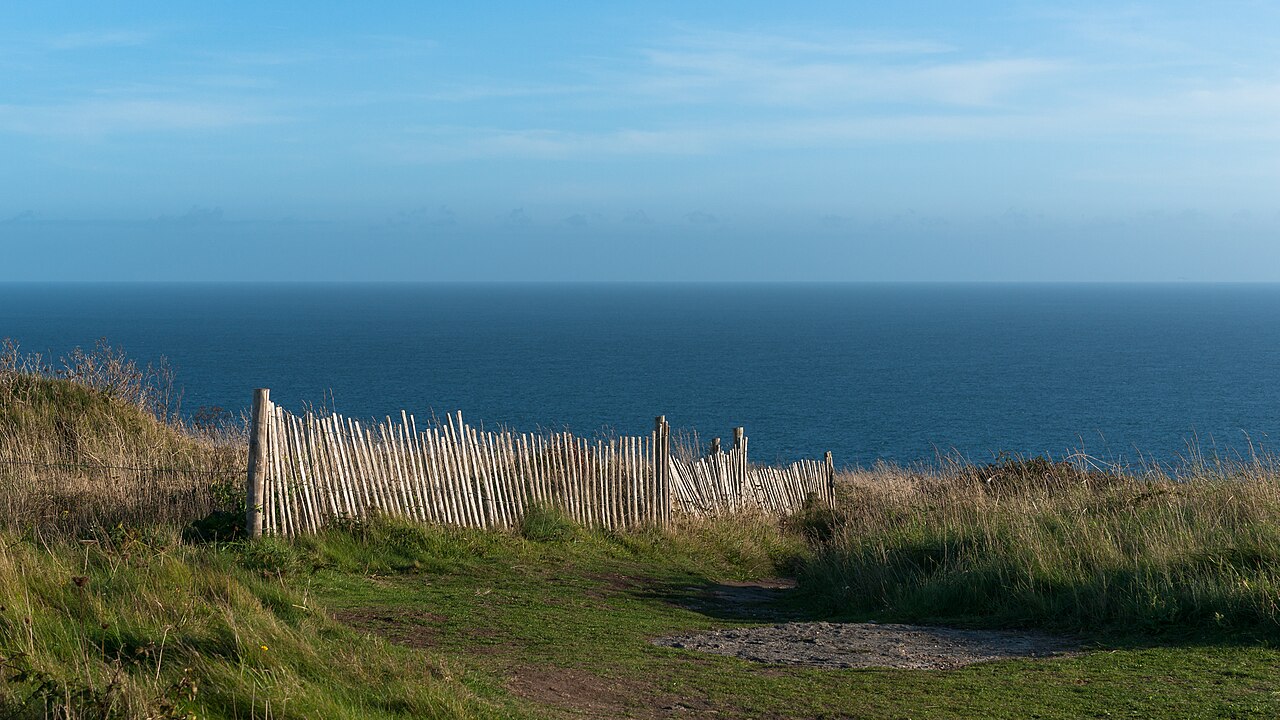
Fencing on the Port Hills is a different trade from fencing on the flat. The same nor'wester that barely ruffles St Albans will try to fold a fence in half on a ridge above Lyttelton. Building for exposure is not optional up here — it is the job.
Wind load is the governing force. A solid 1.8-metre paling fence in a gust is effectively a sail, and the posts carry all of it. That means deeper holes, bigger posts and shorter bays than the same fence would need in shelter. On the most exposed lines, stepping down to spaced pickets or slats — which let air through — can halve the load on every post.
Ground conditions add their own difficulty. Hill sections mix rock, clay and fill, sometimes within one boundary. Rock needs different tools and sometimes different footing designs; clay holds posts tight in summer and lets go in winter; fill needs going deeper until you find the real ground. A post is only as good as what it stands in.
Levels take more care on slopes. Rails must step or rake with the contour while staying parallel, palings stay vertical while the ground falls away, and the bottom line needs managing so gaps do not open up for dogs and draughts. Sight the line from both ends before a single paling goes on — slopes hide lean that the flat would show instantly.
Access shapes the job more than most owners expect. Steep driveways, narrow paths between houses and nowhere to stack materials all slow the work and argue for planning deliveries in small loads. Discuss access on the first site walk, not on delivery day.
If your section sits under the hills, favour fixings and finishes rated for exposure, keep vegetation off the fence so it dries between fronts, and check gate latches after the first big blow of the season. A fence built for the hill will outlast two built for the flat — and cost less across its life than either.